


Stress Management at the Airport: The Impact of Pre-Flight Rituals on the Travel Experience
Flying can be a thrilling experience for many individuals. However, the unending processes leading up to boarding at the airport are significant and often cause stress. Security checks, time constraints, and crowded environments are just a few of the factors that can increase stress levels. As a result, many travellers need to use simple but effective exercises before their flight in order to help quell travel anxiety. Calming habits help to soothe the mind, which can allow you to begin your journey with more mental calmness. So, what practices should you try to help manage stress at the airport? Read on for some suggestions.
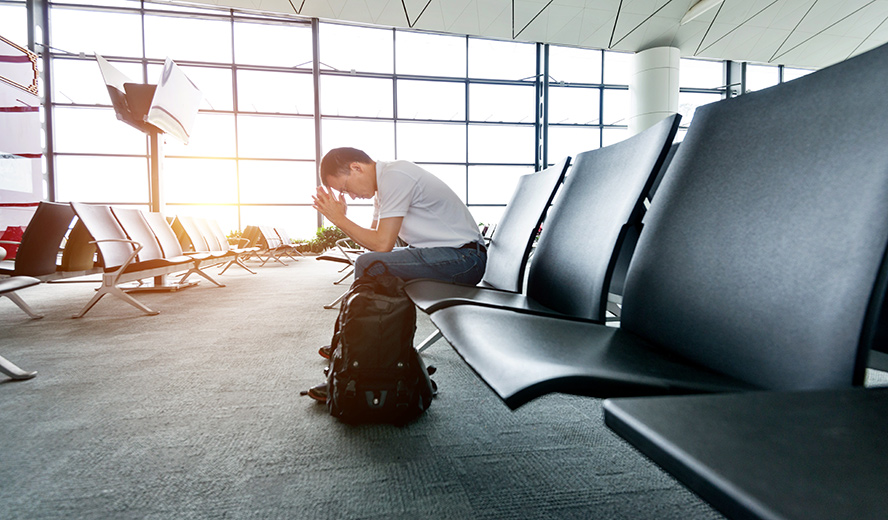
Stress at the Airport: Why Is It So Common?
Airports are crowded and complex environments for travellers. As passengers are forced to manage multiple processes in succession—such as ticket checks, security screening, and gate tracking—mental strain can gradually increase all while one of the most significant sources of stress, the fear of missing the flight, constantly looms.
Here are a few of the top stressors:
Time pressures: Passengers often feel anxious about missing their flight.
Security checks: Long queues and procedures can lead to impatience.
Crowded environment: Crowded and noisy environments can lead to mental fatigue.
Uncertainty: Gate changes or delays may disrupt even the best laid plans.
Flight anxiety: For some passengers, flying itself is a great source of anxiety.
When all these factors combine, the airport experience can become a nightmare for some people. However, with thoughtful preparation and by implementing simple practices, you will be able to better manage stress at the airport. Starting your journey with a plan can be the first step toward effective stress management.
What is a Pre-Flight Ritual?
Pre-flight rituals are small habits that passengers can practice to make their airport experience more relaxing. These behaviours are typically simple routines that are done prior to a journey. Arriving at the airport early, going for a short walk, or having a cup of comforting beverage are some examples. Routines intended to help prepare the mind can help quell some feelings of uncertainty.
The primary goal of implementing routines before a flight is to provide a sense of comfort and safety. People feel safer when they plan ahead. As a result, by making small preparations before traveling, you can reduce your stress and enjoy the journey ahead.
What strategies are recommended for managing stress at the airport?
The crowds and time pressure at the airport can make travel more stressful especially for those who do not fly frequently. A few simple habits can make the process a much more comfortable travel experience. Here are some recommended practices for managing stress at the airport:
Arrive early
Try breathing and relaxation exercises
Use headphones at the airport to block out loud noises
Eat light snacks and stay hydrated
Take short walks if possible
Prepare all necessary documents in advance
Track flight information using mobile apps
1- Arrive early
The first step to a stress-free airport experience is to arrive early. Attempting to make it at the last minute causes unnecessary anxiety. Instead, arrival early to ensure enough time for check-in and security procedures. This one step will significantly lower mental stress. By arriving at the airport early you can set aside some time to unwind before your flight. With this extra time, you can go for a short walk, grab a beverage, or simply relax at your gate.
2- Try breathing and relaxation exercises
Breathing and relaxation exercises go a long way in staying calm before a flight. These low intensity techniques are an effective way to quickly reduce stress levels by slowing your heart rate whilst also reducing mental tension.
You can try the following techniques:
Deep diaphragmatic breathing: Count to ten while you breathe in deeply through your nose and then breathe out slowly through your mouth for another count of ten.
The 4-7-8 method: Breathe in for four seconds, hold for seven seconds, breathe out for eight seconds.
Muscle relaxation exercises: Tense and then release tight muscles, especially the shoulder and neck muscles.
Short meditation: Listening to a guided meditation via headphones.
3- Use headphones at the airport to block out loud noises
Listening to music allows you to escape stressful atmospheres, even if only for a short time. Listening to your favourite songs or relaxing music through headphones can help you reduce external noise and stress. Travelers can use this technique to distract their minds to reduce anxiety which ultimately helps to make waiting periods more relaxing. Additionally, music is an effective tool for regulating emotional balance. This practice, which improves mood through rhythm and melody, can also help to alleviate feelings of panic. Travellers can listen to favourite relaxing songs to help prepare for their flight and even improve the flight experience once in the air.
4- Eat light snacks and stay hydrated
You should always have light snacks and water on hand at the airport. Hunger and thirst can increase stress levels and trigger anxiety. Therefore, by bringing healthy snacks with you to the airport, you will help yourself physically and mentally.
Recommended snacks and drinks:
Nuts and almonds: Balances blood sugar levels and keeps you feeling full for longer.
Fruit slices: Provides vitamins and gives you energy.
Yoghurt or a granola bar: Light, filling, and easy to digest.
Water: Prevents dehydration and improves mental focus.
5- Take a short walk if possible
A short walk through the airport can also help to reduce stress significantly. Long periods of sitting or waiting can cause bodily tension and restlessness. A short walk can boost your circulation and relax your muscles, making you feel more at ease. Walking also helps your mind to relax. You can regain control of your situation by diverting your attention away from the stress of waiting. A few minutes of movement in the terminal can help relieve pre-flight anxiety which will improve your overall travel experience.
6- Prepare all necessary documents in advance
You can avoid stress by preparing all necessary documents for your flight in advance and placing them in an easy to access folder. Check that you have your ticket, passport and ID in order before you leave the house. This will help you avoid last-minute panic at the gates. With this simple preparation, your check-in and security processes will go more quickly and smoothly.
7- Track flight information using mobile apps
Finally, you can use apps that allow you to track your flight information in real time. You can quickly access information about gate changes, delays, or baggage status, thereby preventing anxiety caused by quickly changing circumstances. By tracking any last-minute changes, you can easily adapt to changes and remain flexible and alert. This enables passengers to plan more comfortably and take control of the process.
You can use the following apps to track your flight information:
Official airline apps: Provides booking and gate information.
FlightRadar24 or FlightAware: Shows your aircraft’s location and estimated arrival time.
Airport apps: Notifies you of security queue times and gate changes.
Reminder and calendar apps: Provides pre-flight alerts and check-in reminders.
Simple Habits to Help Reduce Stress at the Airport. Small, practical activities are usually sufficient for managing stress at the airport. By incorporating these simple behaviours into a travel routine, travellers can make waiting times more comfortable and manageable.
Simple habits that reduce stress at the airport include:
Light exercise
Planning ahead for the journey
Meditation
Reading a book or magazine
Preparing a few notes before the journey
Dressing comfortably
By adopting these simple habits, you can significantly reduce the stress you may encounter at the airport. Travellers can prepare for their flight in a more controlled and calm manner to help them enjoy a safe journey.
What Impact Do Pre-Flight Practices Have on Travel Experiences?
By adopting certain pre-flight rituals, stress can become more manageable at the airport. These routines are highly beneficial for reducing anxiety caused by uncertainty. Through these habits you can become more resilient to the stressors created by crowds and noise in waiting areas. Pre-flight rituals can also directly influence the quality of the journey. For instance, a traveller who has completed their pre-flight preparations—such as having documents ready or tracking information via an app—is less likely to panic in the face of unexpected situations. This not only prevents time wastage but also reduces the negative emotions caused by stress. Therefore, small but regularly practised activities can have a significant impact on the ability to relax. You can also try exercises for physical and emotional relaxation. Light walks, breathing techniques and short meditation sessions slow your heart rate and reduce tension. Listening to music or having a small snack can also significantly improve your mood.
Avoiding Stress at the Airport
Nowadays, airports are increasingly places where travellers tend to feel anxious. However, with the right strategies, you can help keep anxiety under control. Acting in a planned manner, using distraction techniques, and being prepared for potential changes will reduce the likelihood of panic.
The ”Golden Rules” for avoiding panic at the airport are as follows:
Plan your journey
Distract yourself
Keep your stress under control
Be prepared for potential changes
1- Plan your journey
By planning your journey in advance, you will familiarise yourself with all the steps beforehand, such as check-in, security screenings, and gate information. By moving in such a planned manner, you can reduce time pressures and significantly alleviate last-minute stress. Additionally, by creating a detailed plan before your flight, you can easily handle unexpected situations. Study the terminal map, estimate security queue times, and familiarise yourself with the lounge areas. This can boost your sense of comfort and decrease feelings of panic.
2- Distract yourself from the chaos
Crowded and noisy airports can increase passengers’ anxiety levels. In such environments, redirecting your attention helps to manage panic and stress. Texting, listening to music or doing some light reading will keep your mind occupied and reduce anxiety. Additionally, focusing on your own routines rather than the chaos around you can also be beneficial. Practising breathing exercises or checking your documents can also help reduce anxiety.
3- Keep your stress levels under control
To avoid panicking at the airport, you can try to manage your stress through simple techniques and habits.
To manage your stress, you can try the following:
Take deep breaths: This slows your heart rate and calms your mind.
Practise short meditation or mindfulness: Focusing your attention on the present moment reduces anxiety.
Repeat positive thoughts: Affirmations such as "I am safe and in good hands". are reassuring.
Do some stretching exercises: Relaxing your shoulder and neck muscles reduces stress.
4- Be prepared for potential changes
To avoid unnecessary anxiety at the airport, be prepared for any potential changes. Make sure you are ready for situations such as flight delays, gate changes, and baggage issues. This way, you can reduce the anxiety caused by unexpected developments and keep your stress levels under control.
